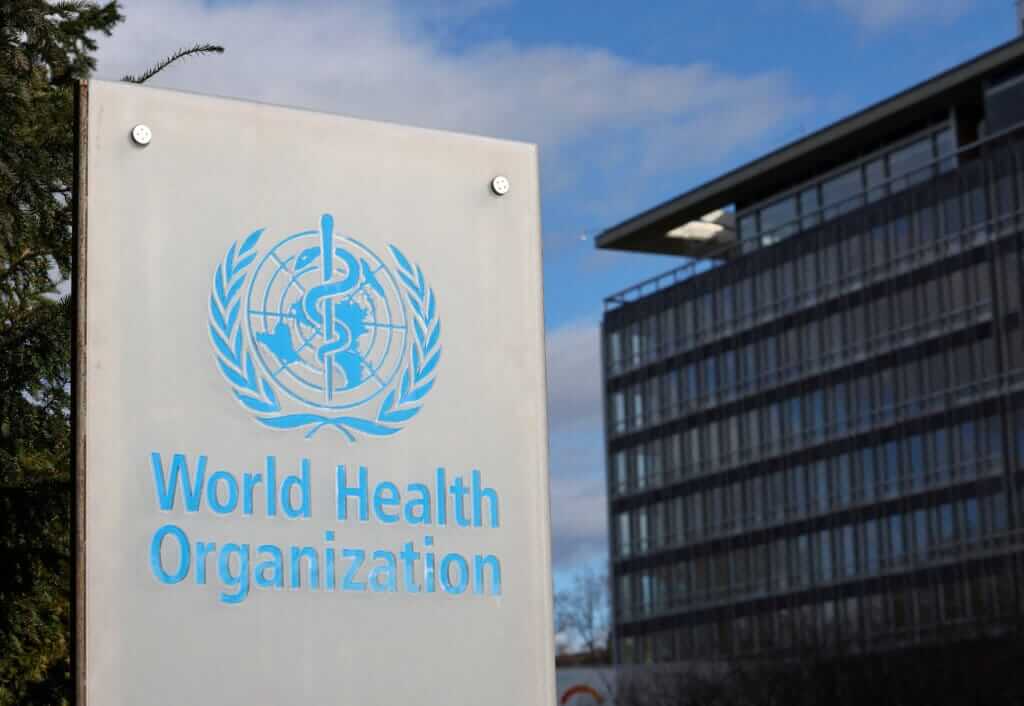
GENEVA — In a major shift, the World Health Organization has officially recognized obesity as a chronic disease that can be treated with medications, including popular GLP-1 drugs like Wegovy and Ozempic.
The new guideline marks a turning point in how the global health community views and treats obesity. For decades, it’s been stigmatized as a lifestyle choice rather than a medical condition. But that’s changing.
## What the New Guidelines Say
WHO’s latest guidance acknowledges that drug therapy can be an effective part of obesity management when combined with lifestyle changes. This includes medications like semaglutide and tirzepatide, which have shown remarkable results in clinical trials.
Here’s what’s notable: These aren’t meant to replace diet and exercise. Instead, they’re recognized as co-interventions in a multimodal program. Think of them as tools in a larger toolbox, not magic bullets.
“Obesity is a complex disease, and we need to treat it as such,” said Dr. Margaret Chen, Director of Metabolic Health at WHO. “These medications can help patients who’ve struggled for years to achieve and maintain weight loss through traditional methods alone.”
## Why This Matters for Patients
Look, millions of people worldwide struggle with obesity and related health issues—diabetes, heart disease, sleep apnea. The list goes on. And for many, diet and exercise alone don’t cut it.
The WHO’s recognition could change access to these treatments. When a major health authority says obesity is a disease treatable with medication, insurance companies and healthcare systems typically follow suit. That means better coverage and more affordable access.
Current data shows GLP-1 medications can help patients lose 15-20% of their body weight on average. Some patients see even better results. And that’s not just about appearance—it’s about reducing serious health risks.
## The Reality Check
But wait. There’s a catch. These drugs aren’t cheap, and they’re in short supply. WHO also warned that too few people who could benefit from these medications can actually access them.
In many countries, monthly costs run into hundreds or even thousands of dollars. And even when patients can afford them, shortages mean they can’t always find them. Some people have waited months to start treatment.
## Looking Ahead
Bottom line? This WHO guideline is a big deal. It validates what many doctors and patients already knew—obesity is a medical condition that sometimes needs medical treatment.
But the real challenge isn’t just recognition. It’s making these treatments accessible and affordable for everyone who needs them. And honestly? That’s going to take a lot more than updated guidelines.
🔗 You May Also Like:
- Medicare Open Enrollment: A Guide to Picking Right Plan
- Healthcare Costs Surge 10%+ in 2025: What You’ll Pay
- Cancer immunotherapy advances transform 2025 treatment options
- Healthcare Costs Surge 10.3%: What Employers and Workers Face in 2026
- WHO Backs Weight-Loss Drugs But Warns of Global Shortage Crisis


