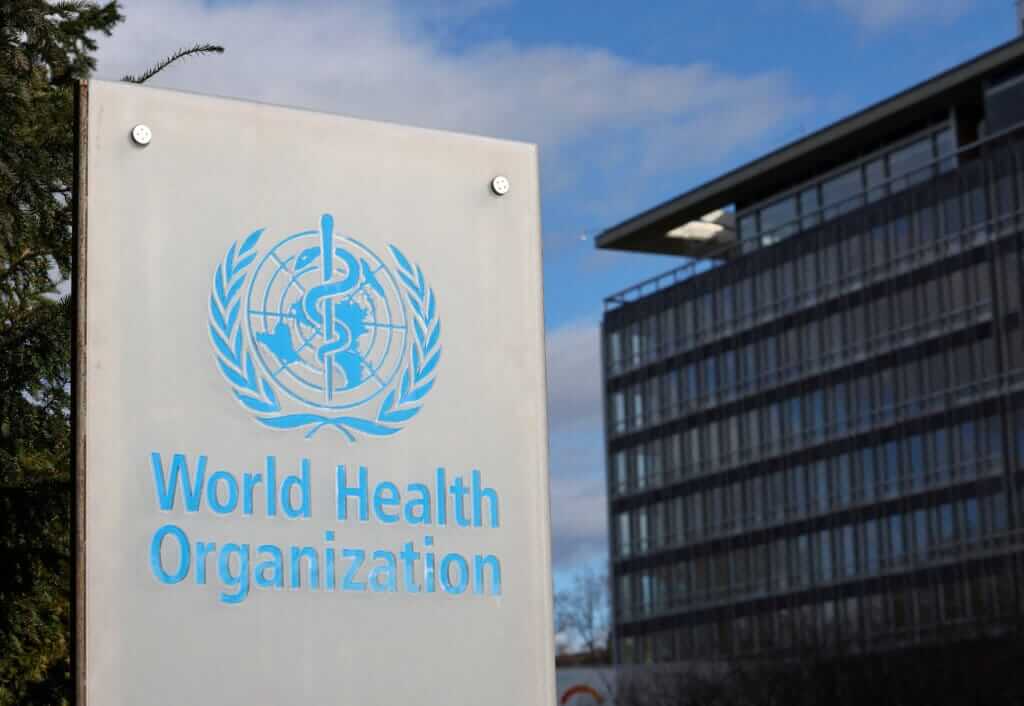
GENEVA — The World Health Organization just made obesity treatment history. But there’s a catch that affects over a billion people worldwide.
On Monday, WHO issued its first-ever guidelines recommending GLP-1 therapies for long-term obesity management. These are the drugs you’ve heard about — Ozempic, Wegovy, Mounjaro, Zepbound. They’re everywhere, from celebrity endorsements to TikTok trends.
But wait. WHO’s also warning that even with rapid production increases, these medications will reach fewer than 10% of people who could benefit by 2030. That’s not a typo. We’re talking about a supply crisis for a treatment the world’s top health body just endorsed.
The Breakthrough That’s Changing Everything
Here’s what’s actually new: WHO is officially recognizing obesity as a chronic disease that needs medical treatment, not just lifestyle changes. That’s a massive shift from the “just eat less and exercise more” approach that’s dominated for decades.
The guidelines recommend three specific GLP-1 drugs for adults with a BMI of 30 or higher: semaglutide, tirzepatide, and liraglutide. They’re supposed to be paired with healthy eating and physical activity, not replace them.
“While medication alone won’t solve this global health crisis, GLP-1 therapies can help millions overcome obesity and reduce its associated harms,” said Dr. Tedros Adhanom Ghebreyesus, WHO’s director-general.
The science backs it up. These drugs don’t just help people lose weight — they’re cutting risks for heart attacks, strokes, and high blood pressure. In the U.S., about 1 in 8 adults are already using them for weight management or diabetes.
“The guideline signals that GLP-1s for obesity treatment are moving into the mainstream of healthcare,” notes Dr. Louis Aronne, founder and past chair of the American Board of Obesity Medicine. “It emphasizes early diagnosis and treatment.”
Why Access Is the Real Problem
So what’s the issue? Simple: we can’t make enough of them.
WHO estimates obesity affects more than 1 billion people globally and caused 3.7 million deaths last year. But manufacturing capacity can’t keep up with demand. Not even close.
The drugs are expensive, too. Without insurance coverage, they can run $900-$1,500 per month. And here’s the thing — you need to stay on them long-term. Stop taking them, and the weight comes back.
“This represents a new chapter in how society approaches obesity — from a ‘lifestyle condition’ to a complex, preventable, and treatable chronic disease,” explained Dr. Francesca Celletti, WHO’s senior advisor for obesity.
But that philosophical shift doesn’t help if you can’t afford the medication or your pharmacy can’t stock it.
What It Means for Patients and Healthcare Systems
Bottom line? This is going to reshape healthcare, but not overnight.
For patients, the WHO endorsement could mean better insurance coverage. When the world’s top health body says these drugs are essential, insurers and governments pay attention. WHO added GLP-1 therapies to its Essential Medicines List in September, which pressures healthcare systems to make them available.
For healthcare providers, it changes the conversation. Doctors can now point to WHO guidelines when recommending these medications, giving them more backing against skeptical patients or insurance companies.
“We’re seeing a paradigm shift,” says Dr. Rachel Kim, endocrinologist at Johns Hopkins. “Patients who’ve struggled with obesity for years finally have treatment options that work, backed by the world’s leading health authority.”
But honestly? The supply problem is massive. WHO is calling for “urgent action on manufacturing, affordability, and system readiness to meet global needs”. They want bulk purchasing agreements, similar to what worked for HIV medications.
The shortage isn’t going away soon. Manufacturers are expanding production, but it takes years to build new facilities and scale up. Meanwhile, demand keeps growing as more people learn about the drugs and more doctors prescribe them.
And that’s creating real ethical dilemmas. Who gets access when there isn’t enough? Should celebrities jumping on trends get the same priority as someone with life-threatening obesity complications? These aren’t easy questions.
Looking ahead, the WHO guidelines will probably accelerate adoption in countries that have been hesitant. But they’ll also highlight the massive gap between what’s medically possible and what’s actually accessible to most people.
“The science is there, the endorsement is there,” notes health policy expert Dr. Sarah Mitchell. “Now we need the infrastructure, affordability, and equitable access to make it real for the billion people who need it.”
🔗 You May Also Like:

